

News
-
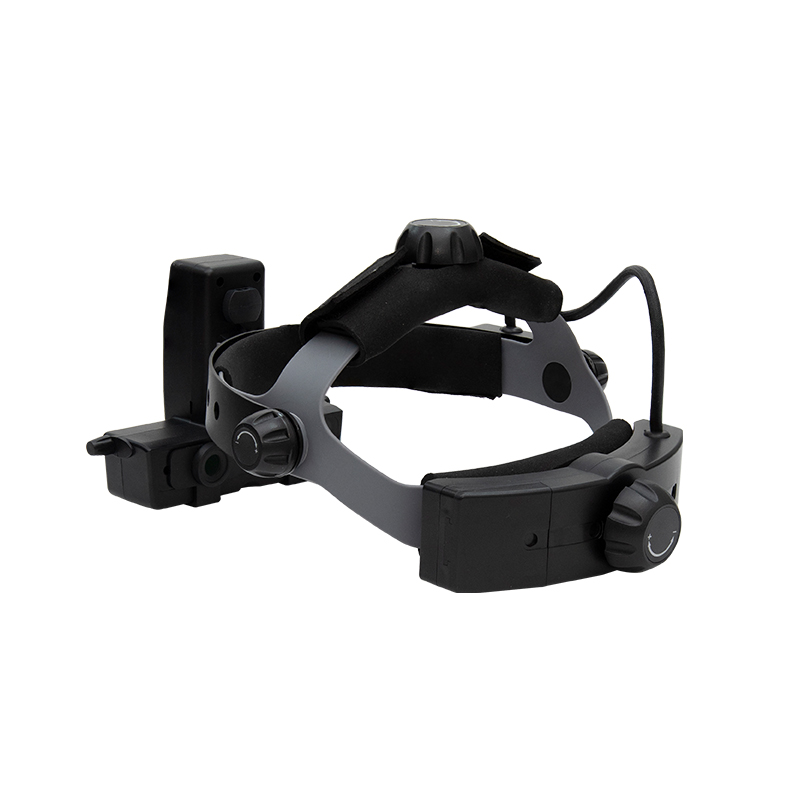
How does the medical binocular indirect ophthalmoscope, which uses imported LED light sources, perform uniquely in terms of energy saving compared to traditional light sources?
In ophthalmic clinical diagnosis, the binocular indirect ophthalmoscope is the "third eye" for doctors to explore the fundus. With the advancement of medical technology, traditional halogen or xenon lamps are gradually being replaced by advanced imported
Learn More2026-02-28 -
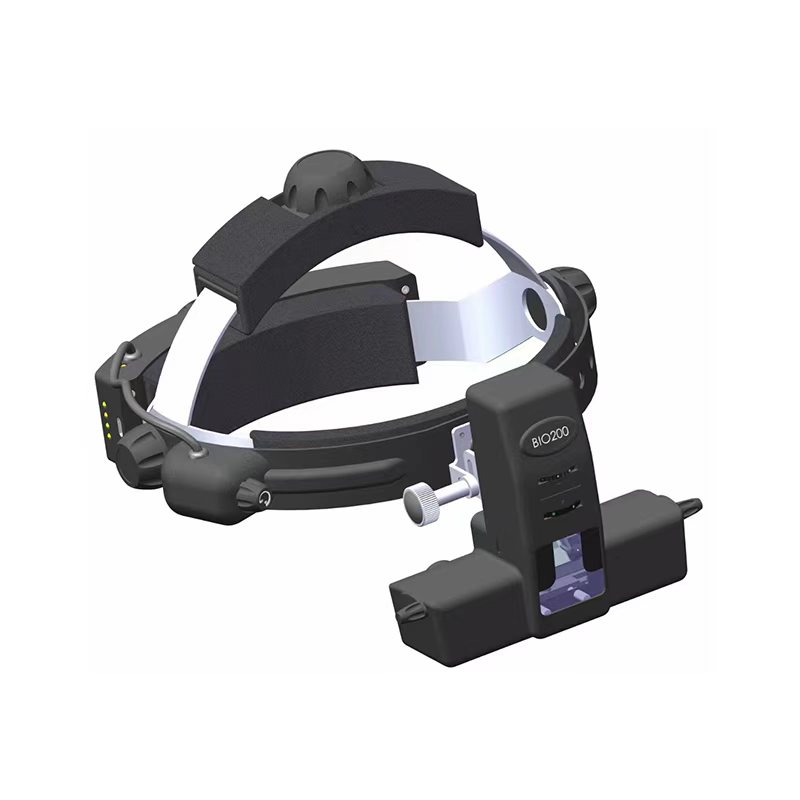
How does the binocular indirect ophthalmoscope achieve a qualitative leap in fundus observation?
As an important tool in frontline clinical practice, the performance of the binocular indirect ophthalmoscope directly determines the accuracy and efficiency of diagnosis.
Learn More2026-02-19 -
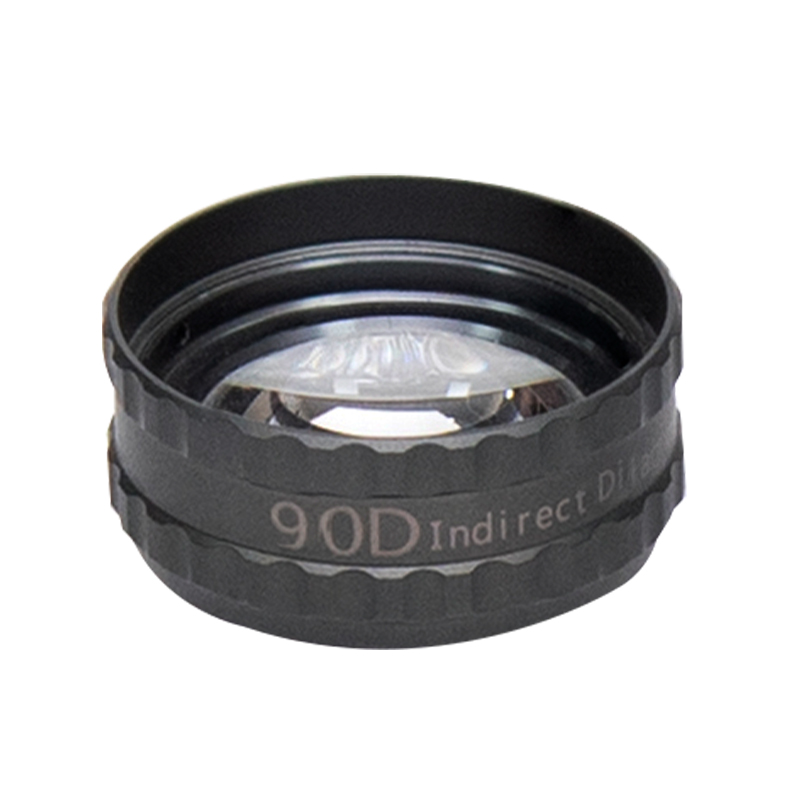
What are the specific quantitative manifestations of the advantages of medical aspheric lenses in expanding the operator's field of view?
Medical aspheric lenses, with their unique optical design, demonstrate significant advantages in expanding the operator's field of view and improving image quality.
Learn More2026-02-12 -
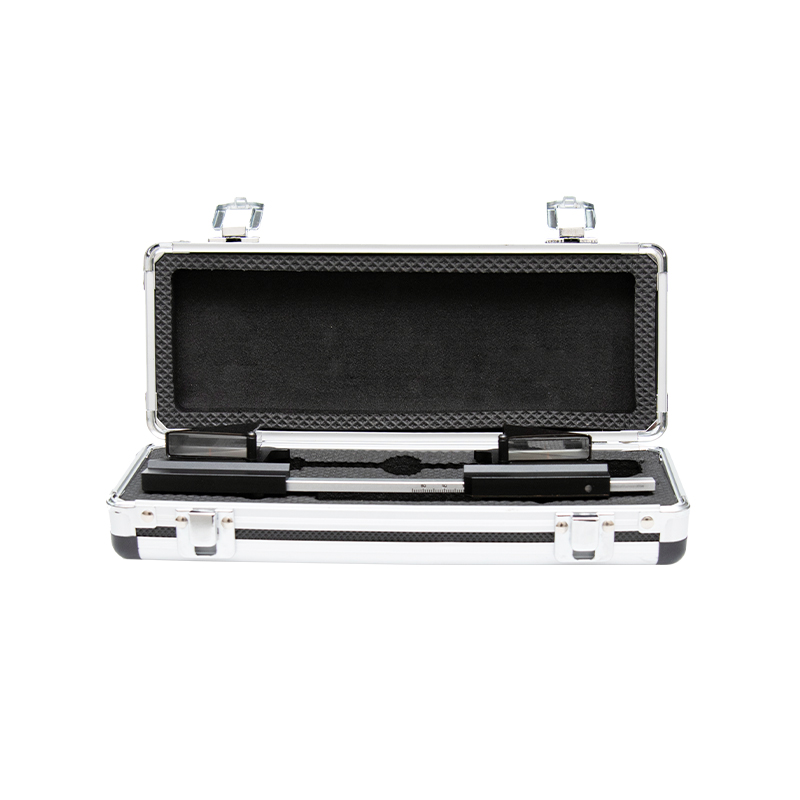
How does the condition of the optical surface of a medical exophthalmosometer affect total internal reflection imaging, thus interfering with readings?
The exophthalmosometer, as the preferred tool for clinical assessment of thyroid-associated ophthalmopathy, orbital tumors, or traumatic eye displacement, relies on optical total internal reflection to achieve non-contact, rapid, and simultaneous bilatera
Learn More2026-02-05 -
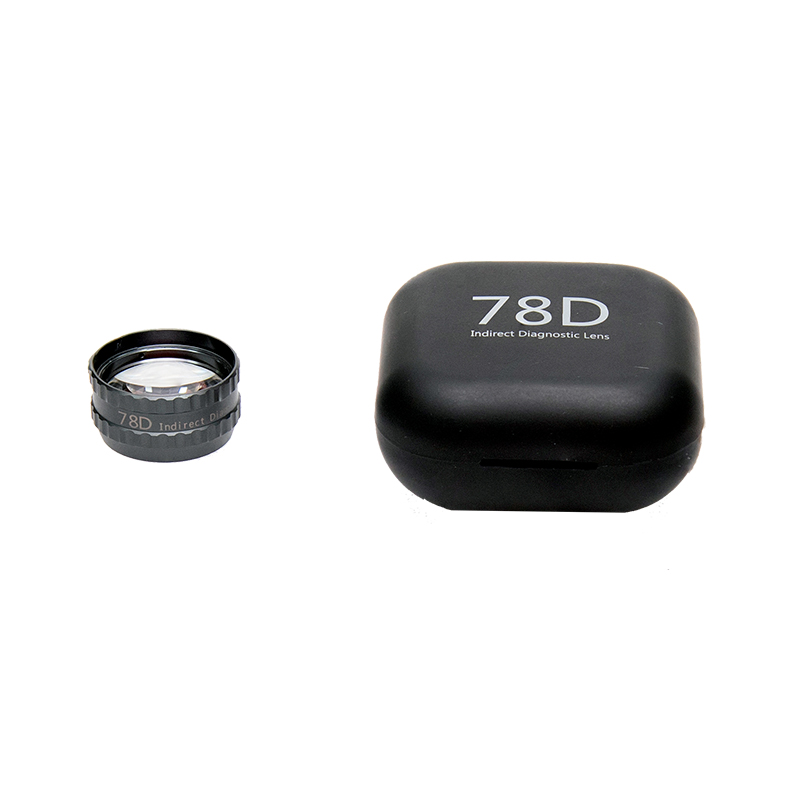
How do aspheric lenses become a powerful optical tool for wide field of view and stereoscopic imaging?
As a core optical element in modern fundus examination, aspheric lenses, with their unique aspheric design and high-performance materials, when used in conjunction with indirect ophthalmoscopy or slit-lamp microscopes, can present high-quality images with
Learn More2026-01-31 -
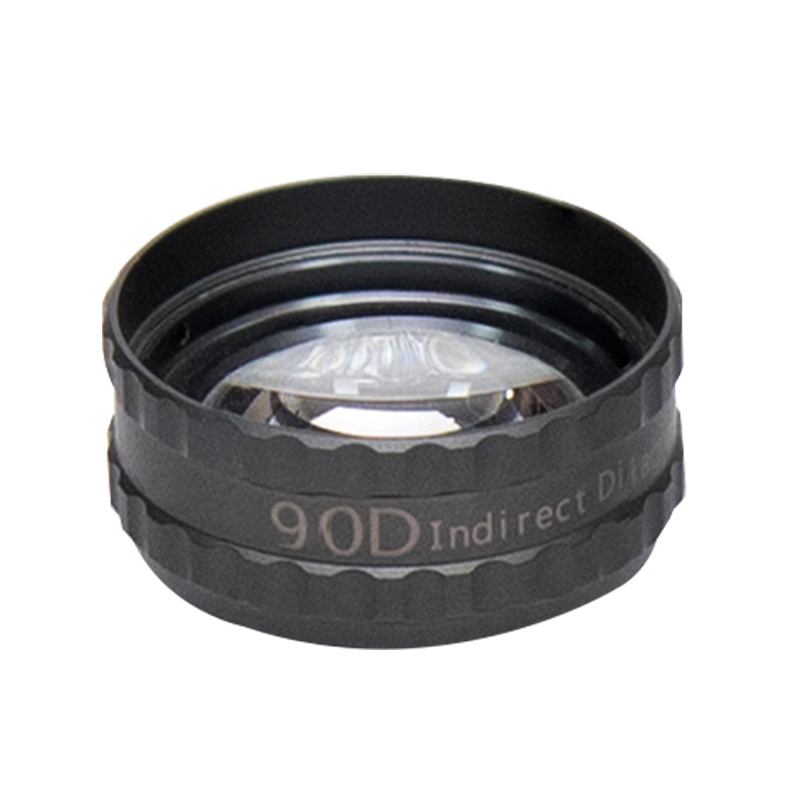
How do Aspheric Lenses 90D achieve clear, wide, and three-dimensional fundus observation without contact with the eyeball?
In the intricate world of ophthalmology, observing the fundus structure is like exploring a miniature universe—the tiny blood vessels of the retina, the fovea of the macula, the rim of the optic nerve disc—every detail may conceal early signs of disease
Learn More2026-01-22